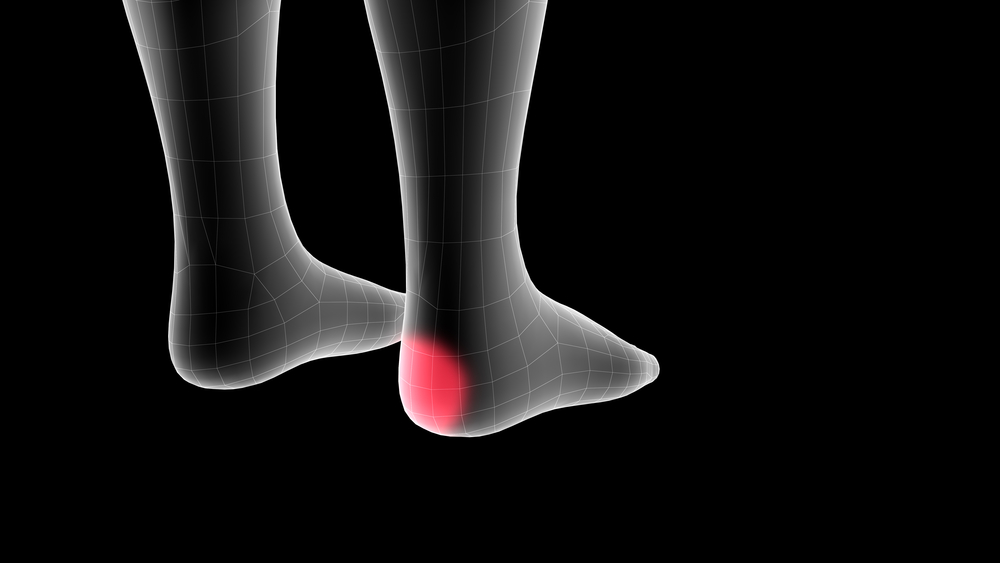
Baxter’s nerve entrapment neuropathy is a cause of heel pain in adults. This condition is caused by compression of the first branch of the lateral plantar nerve or inferior calcaneal nerve.
Often, this condition is confused with plantar fasciitis, resulting in improper treatment. Recognition of the distinct clinical signs and MRI findings is essential for chiropractors treating heel pain patients.
Causes
Baxters neuropathy or inferior calcaneal nerve entrapment results from compression of the nerve that supplies the inner side (or plantar) surface of your foot and the inside of your heel. It can cause pain, tingling and numbness in the heel area. Sometimes, this condition is confused with Plantar Fasciitis. The main difference between these conditions is the location of pain. In Baxter’s neuropathy, the most intense pain is felt at the origin of the abductor hallicus muscle (a small muscle along the inside of your foot). Often, this area is tender to touch. In contrast, pain in plantar fasciitis tends to be more focused towards the bottom of your heel.
This condition can be caused by a variety of factors. Some of these include:
Heel and ankle biomechanical disorders such as high arches, flat feet and hyperpronation can create direct pressure on this nerve. Bone spurs can also compress this nerve. The compression of this nerve can also be caused by inflammation and swelling of the surrounding muscles or tendons such as plantar fasciitis.
MRI is an excellent tool for the diagnosis of this condition. In this particular case, the MRI showed fat replacement of the abductor digiti minimi muscle along with several dilated or varicose veins on the inner surface of the foot. This unique pattern of MRI is suggestive of Baxter’s neuropathy and identifies this as a separate disorder from PF.
Symptoms
Baxter’s neuropathy, or inferior calcaneal nerve impingement, is a condition that occurs when the nerve that runs along the bottom of your foot gets compressed. This can lead to a number of symptoms, including pain in the arch of your foot and heel, as well as tingling or numbness. The pain from this condition usually comes and goes, and tends to be more intense towards the end of the day when you’ve been walking for awhile.
It can be hard to diagnose, especially since it can be confused with other conditions such as plantar fasciitis. This is because the pain in Baxter’s neuropathy tends to be more to the inside of your heel, whereas the pain from plantar fasciitis typically comes more towards the bottom of your foot.
In order to diagnosis this condition, your doctor will perform a physical exam and take a history of your symptoms. They will also likely recommend MRI, which can help to identify the cause of your neuropathy and plan the best treatment options. This is because MRI can show a unique finding in this condition, which is selective fatty atrophy of the abductor digiti minimi muscle. This is a unique finding that can help to differentiate this condition from other foot and ankle conditions. With the right diagnosis, this condition can be treated successfully with a variety of different treatments.
Diagnosis
Baxter’s neuropathy is often difficult to distinguish from plantar fasciitis, and is regularly misdiagnosed as chronic plantar fasciitis. This can result in ineffective treatment and continued heel pain. It is thought that Baxter’s neuropathy may account for up to 20% of all heel pain cases.
The diagnosis can be made clinically with a thorough history and examination, including palpation of the nerve’s course through the inner foot muscles (abductor digiti minimi and quadratus plantae). The pain is often described as sharp, burning or shooting, typically worse towards the end of the day. This pain is produced by the entrapment of the first branch of the lateral plantar nerve, also known as the Baxter nerve.
In addition, MRI scan can confirm the diagnosis, showing characteristic selective fatty atrophy of the abductor digiti minimi muscle along the inferior calcaneal nerve, indicating nerve entrapment. A diagnostic injection of local anaesthetic using ultrasound guidance is commonly used to confirm the diagnosis and demonstrate that the nerve block relieves the patient’s symptoms. This will allow for an appropriate treatment plan.
Treatment
Baxter neuropathy, also known as inferior calcaneal nerve entrapment, is a condition where the first branch of the lateral plantar nerve or the nerve that runs along the bottom of your heel becomes irritated. This can lead to pain, tingling and numbness in the bottom of your foot. This is usually due to irritation of the nerve from shoes, walking up or down stairs and other activities.
The pain from this type of entrapment is usually not as severe as plantar fasciitis, but can be very uncomfortable. Many patients find over-the-counter analgesics like ibuprofen and naproxen helpful. Other treatment options include steroid injections to help minimize the inflammation around the nerve.
This condition is difficult to distinguish from plantar fasciitis, so it is important for chiropractors to understand how to diagnose and treat this condition. This can improve patient outcomes and quality of life. When this condition is misdiagnosed as plantar fasciitis, patients can receive ineffective treatments that may actually make their symptoms worse. It is estimated that this type of entrapment occurs in up to 20% of heel pain cases.