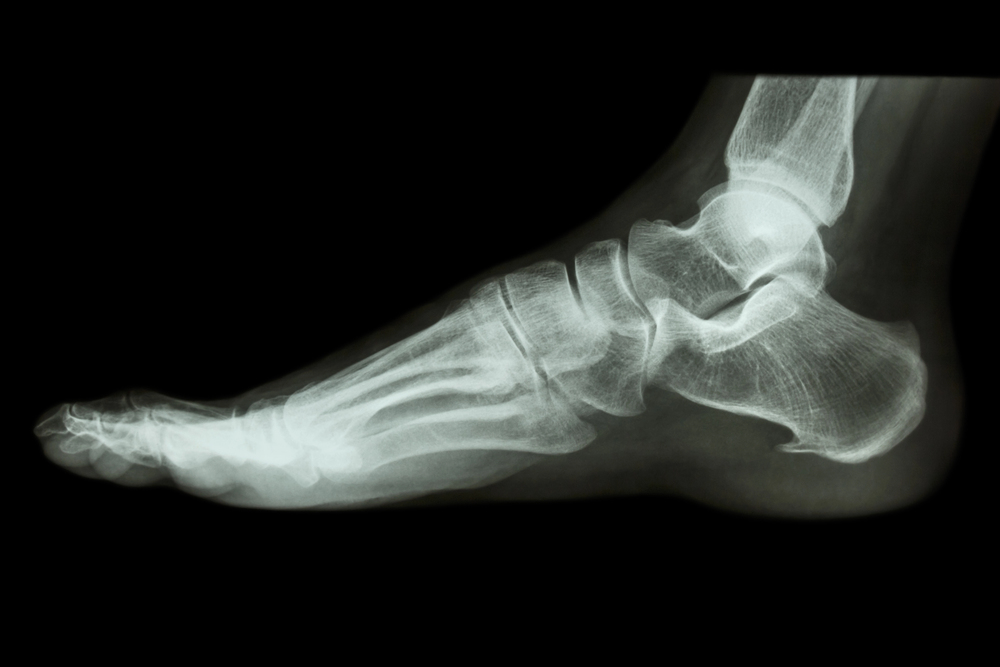
The calcaneus is the largest of the seven tarsal bones in your foot. [1] Stress fractures are a result of repetitive forces that damage bone microscopically over time leading to macrostructural failure.
The most common fractures occur in women, amateur athletes and those who are overweight. Surgical treatment has been shown to improve outcomes but the results vary with fracture morphology.
Diagnosis
A calcaneal stress fracture can cause heel pain in people who walk, run or play sports that involve running back and forth. They can be harder to diagnose than other types of foot injuries.
It takes time for a broken heel bone to heal. You may need to wear a cast or splint to keep your heel in place while the bones heal. You’ll also need physical therapy to help you regain strength and prevent future injury.
Stress fractures in the calcaneus are often overlooked because they can be difficult to diagnose. This can lead to a delay in treatment and can complicate healing. The calcaneus is commonly known as the heel bone and it supports most of your body weight as you walk. Stress fractures occur when repeated stresses cause areas of bone to break down faster than new bone forms. This leads to a buildup of pressure that eventually causes a crack in the calcaneus (heel bone). The calcaneus is one of the seven tarsal bones in your feet and is also known as the heel bone or heel.
Treatment
Most calcaneal stress fractures heal well with conservative management. Patients with non-displaced fractures may be able to return to their usual activities, but only after the bone has healed. Your doctor may recommend immobilization with a splint or cast to hold the bones in place while they heal. This may last up to eight weeks. You can start with low impact activities and gradually increase your exercise level.
If the fracture is displaced, your doctor may recommend surgery. This involves making an incision (cut) in your heel and realigning the broken bones. They might use screws or plates to keep the bones in place. The surgery can take several hours.
Open calcaneal stress fractures are associated with a high complication rate. This can include compartment syndrome, osteomyelitis, wound infection and malunion of the calcaneus. Patients undergoing surgical treatment should be fully informed of the risks and benefits of surgery. Those who do choose to undergo surgery should have a full team including an orthopedic surgeon, an internist, a wound care specialist and a physical therapist.
Recovery
The recovery process for a calcaneal stress fracture varies from patient to patient depending on the type and severity of your injury. However, there are some similarities between surgical and nonsurgical treatment options.
Physiotherapy is an essential part of rehabilitation for all calcaneal stress fractures. Your physiotherapist can assess your recovery and determine the cause of your injury. They will then develop a rehabilitation program to help you return to your pre-injury level of activity as quickly and safely as possible.
Initially, you will need to rest and avoid any weight bearing activities. This is so the bone can heal. After the pain and edema decrease, your physiotherapist will start you on a gradual weight-bearing programme, increasing this as tolerated. They will also start you on an exercise regime of low impact ‘cross training’ exercises, such as swimming and cycling to build up your cardiovascular endurance and muscle strength without putting too much pressure on the healing fracture.
Prevention
The calcaneus and other weightbearing bones in the lower leg and foot are vulnerable to stress fractures due to repetitive forces that can damage bone microscopically. A stress fracture is difficult to diagnose in its early stages because X-rays lack sensitivity and symptoms can be confused with other conditions such as plantar fasciitis.
Overuse is the most common cause of stress fractures, particularly in high-impact activities such as running and jumping. People who abruptly switch to these activities from a sedentary lifestyle are more susceptible, as are those who change the frequency, intensity or duration of their activity without giving their bodies time to adapt.
Female athletes are also prone to these injuries due to the “female athlete triad,” which can include eating disorders, menstrual dysfunction and decreased bone density. Keeping bones strong through proper diet and avoiding excessive exercise can help prevent stress fractures. Modifying your activity levels and using appropriate footwear can help as well.